Protecting Natural Beauty and Strength After Moisture Exposure
Hardwood floors bring warmth and character into a home, but they are also highly sensitive to moisture. When water damage occurs, the effects can show up quickly or develop gradually beneath the surface. Boards may begin to warp, cup, or separate, and what once felt smooth underfoot can become uneven and unstable. Even a small amount of water, if left untreated, can lead to deeper structural concerns that impact both appearance and durability. Professional hardwood floor water damage restoration denver helps preserve and repair flooring surfaces.
The key to preserving hardwood flooring after water exposure is acting quickly while understanding the full extent of the damage. Surface drying alone is rarely enough, as moisture can seep between planks and settle into the subfloor. Without proper treatment, this trapped moisture continues to affect the wood over time, leading to long-term issues that are more difficult and costly to repair. A thorough response focuses on both visible damage and what lies beneath.
The restoration process often begins with a careful inspection to determine how far the water has spread. This step helps identify which areas can be salvaged and which may require more extensive work. Professionals use specialized equipment to detect moisture levels within the flooring and underlying layers, ensuring that no hidden pockets are missed. This attention to detail is what allows for a more accurate and effective restoration plan.
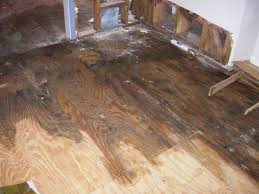
Once the affected areas are identified, the drying phase becomes the main priority. Controlled drying techniques are used to remove moisture gradually without causing additional stress to the wood. This balance is important because drying too quickly can lead to cracking, while drying too slowly may allow further damage to develop. The goal is to stabilize the flooring and prevent further distortion.
After the moisture has been properly addressed, the focus shifts to restoring the floor’s appearance and structure. This may involve sanding, refinishing, or replacing damaged sections to achieve a consistent look. Skilled restoration work blends repaired areas seamlessly with the existing floor, preserving the natural character that makes hardwood so appealing in the first place.
Long-term protection is also an important part of the process. Identifying the source of water, whether from leaks, spills, or environmental factors, helps prevent the issue from returning. With the right repairs and preventive measures in place, hardwood floors can continue to perform well and maintain their visual appeal.
In the end, restoring water-damaged hardwood is about more than fixing a surface. It is about preserving a feature that adds lasting value and comfort to a home. With the right approach, even floors affected by moisture can be brought back to life, maintaining both their strength and their timeless beauty.